I feel the opposite. One example, when I use Linux I'm immediately met with the contortion of ctr-c/v/x not working as copy/paste across the board. Most notably in the terminal. Cmd-c/v/x works across the board.
This is just a side-effect of Apple using a non-standard modifier key. I don't think that the CMD modifier was chosen so that it wouldn't collide with the use of ctrl- sequences in terminal emulators.
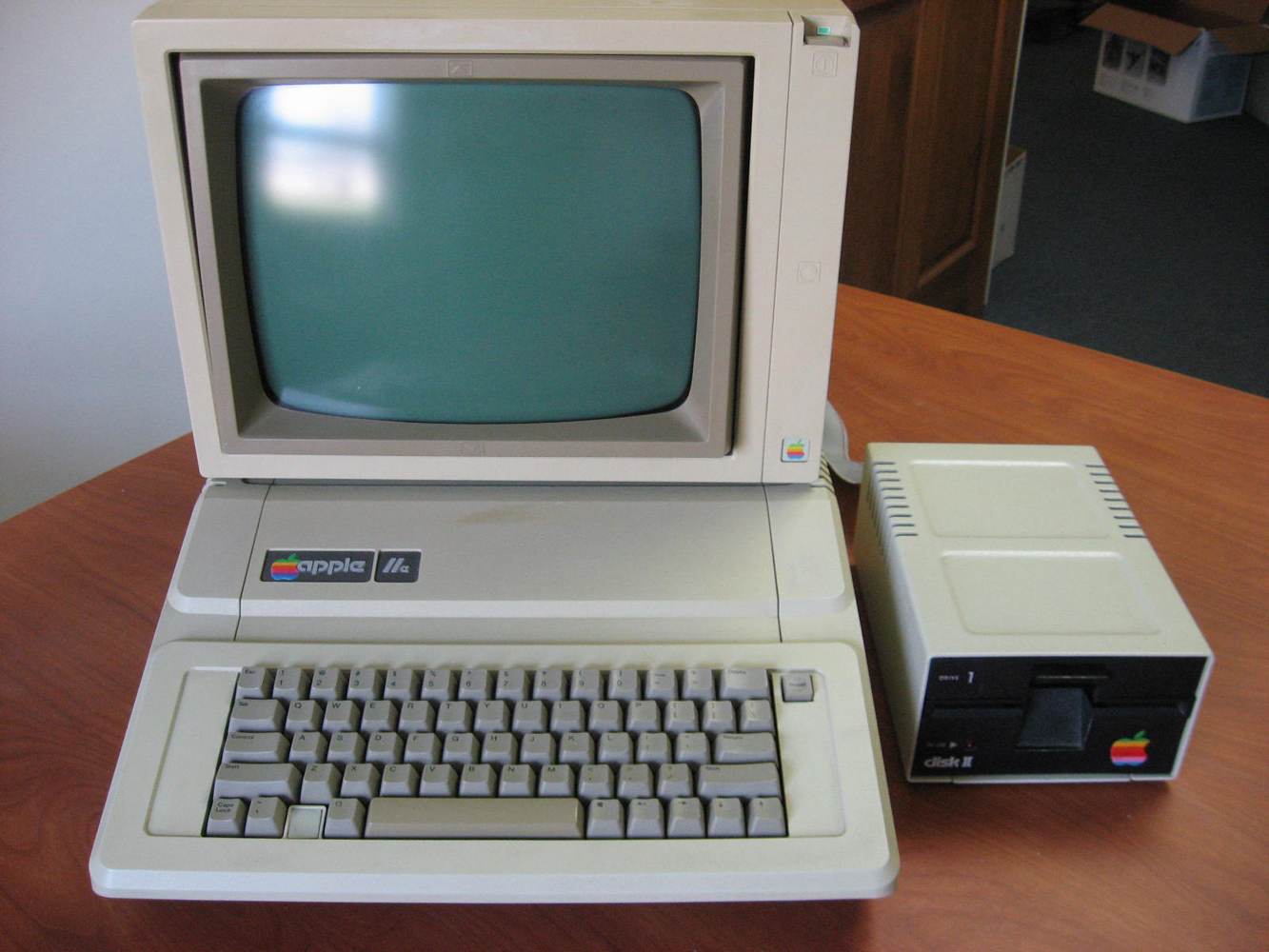
I think that cmd actually was designed so that it wouldn't collide with ctrl. If you look at the keyboard for the Apple II, it had a ctrl key, and I believe it was used for control characters. On later keyboards, they introduced the open apple key (ancestor of command) while retaining the ctrl key. Apple manufactured their own keyboards, so it was relatively easy for them to have separate keys for control characters and keyboard shortcuts. Microsoft on the other hand, did not have this luxury. They were inclined to base their software around existing keyboards, and so they co-opted the ctrl key for shortcuts.
  One cool thing I learned while researching this is that
  Emacs-style keybindings work in TextEdit or any native
  OS X text area.
^A go to beginning of line
^E end of line
^L center line vertically
^K kut (cuts text till end of the line and stores it in a separate buffer from the clipboard)
^Y yank (pastes from the kut buffer)
^D forward delete
(^ = Ctrl)
Yes it was, at least indirectly. The cmd key is designed to invoke shortcuts in the GUI layer and not conflict with anything that's a legacy from the text-mode style of interaction. That's why it's a special different key.
This is an accurate way to think of what the relationship between the command key and the control key on the Mac is today.
Historically, the Mac initially didn't have a control key. It was introduced later to accommodate terminal emulation. There was no "legacy" to accommodate for the Mac of 1984; it was a new platform with a completely different UI from most other computers of the time. Since then Control has been increasingly used as a general modifier key -- though still limited compared to command, for exactly the reason you state.
Not quite... it's a side effect of Apple's Interface Guidelines. In Linux, there are a few different sets of guidelines (if you're lucky), so God only knows what was in the mind of the developer at the time they worked on a GUI. To top it off, most Mac devs think a lot about the design of the GUI and concentrate on human/device interaction. A Linux dev is more likely to be focused on just getting the damn thing to work.
Being able to cut and paste in the terminal without thinking about it too much was one of my favourite features of Mac OS X, but it's nonsense to claim it's because of Apple's Interface Guidlines. It was just an unlucky coincidence that Apple avoided by chance.
Meanwhile the shortcut command for quit is right next to the key to close a window (at least in Qwerty). That's kind of stupid, but lets not go building any grand theories to confirm our biases just based on that factoid.
"It was just an unlucky coincidence that Apple avoided by chance."
The fact that they were not specifically thinking of the terminal (which you are assuming) does not mean that it was purely by chance. That's a non sequitur.
I know it's just "one example", but is it really that hard to remember that a few programs have that particular combination reserved? In most terminals I know, you just do Ctrl+Shift+x/v/c. Pressing one more key because you are in a special environment is hardly a big deal.