> Uh, you still need a furnace (though it could be electric) if you live somewhere that ever really gets cold, right?
For now - and only in part of the country. Most of the newest models can output 100% of their rating down to something like -5ºF -- they're easy enough to oversize as well, so if your 99% heating load is e.g. 48,000BTU, a 60,000BTU heat pump that's only outputting 80% of rated BTUs due to the extreme cold can still cover the full design load.
Though heat pumps are unique in that they produce less heat as the colder it gets - A few hours of -15º every few years shouldn't be the primary consideration in spec'ing a system that still produces 75% of its heat in that worse case.
I live in that blue area and ran through all of the math and considerations recently - I pulled the hourly temperature data for 6 years. Of the 94,000 data points in that period, a total of 26 hours were below -5º: https://imgur.com/a/P7A3kan
You can simply add backup resistive heat to cover the occasional 4AM drop to -15F. It’s more expensive to operate, but as long as this is rare it doesn’t significantly change your bill.
> Our modeling finds that even if Focus incentivizes 800,000 heat pumps with electric resistance backup (10 times the number of heat pumps as it did furnaces in the past four years), the state will still be able to meet its electricity demand with currently operating power plants, even on the coldest days. Depending on the efficiency of the heat pump, in-state winter generation capacity would still exceed peak demand by 1,400–4,300 MW on the coldest day.
The dataset is typical winter low for 1984-2014. Earth is warming thanks to climate change, and the lowest lows have notably warmed. See, e.g., https://xkcd.com/1321/. In my 12 winters of living in the light blue zone, I think I've spent like a grand total of 36 hours or so in sub-0°F temperatures, and that was pretty much the one period mentioned in the xkcd comic.
I like the redundancy of natural gas. So far, in less than 40 years, I have been kept warm for multiple days on 3 separate occasions by having access to gas while the electricity did not work. Also, I was able to keep cooking.
One of the states in the article is Oregon too, where I have family that just a few weeks ago lost electricity for 4 days, but were able to use an electric generator to keep the air handler going and gas to heat the the house and cook.
I fear heat pump only heat will fail exactly when I most need it not to.
My ex-wife had a two-day power outage last month (it was only a few hours at my apartment) during a cold snap. She has gas heat, but the problem is that the heat gets circulated by fans¹ which are powered by—electricity.
She had to get a hotel room for the night because she wasn’t comfortable sleeping with the gas fireplace on.
⸻
1. I would guess that thermostats also powered by electricity not working would add to the complication.
Of course, but gas utility supply means a much smaller generator is needed just to operate the fans and thermostat and much less on-hand fuel is needed to operate the generator.
Natural gas is just a very convenient and very dense source of energy when you need it most.
In the entirety of my life, most of which has been in the Chicago area, I have never seen a home with a generator for the fans and thermostat of a home. For that matter, the only home generator I ever saw was one my grandfather bought which he only used once to see if it worked.
They're pretty common where I live (SE Michigan) because the electrical grid is quite a bit less reliable than the gas distribution network. To the point where 5-10% of customers in the service area lose power in any given big storm.
We have an (almost[1]) all electric house. A year ago we lost power for six days. Last spring we had a generator installed. Over the summer we lost grid power for five days but the generator worked flawlessly the entire time.
I don't like having gas for a number of reasons and if the grid was more reliable we would never have bothered, but, for us, it's just so much more reliable.
[1]: We have two HVAC systems that service different sides of our duplex-ish house. One side is a ground source heat pump, the other is a 95% efficient gas furnace.
Yeah if my heat were 100% electric I’d have to install a wood heating-stove to feel like I wasn’t being irresponsible. Or maybe get a couple portable kerosene heaters.
I think a sensible option, if you live in a place where electrical grids goes out for a couple of days fairly routinely, would be a transfer switch and a generator. If sized well enough you could use it to run a resistance heater (the cheap portable type) to keep one or two rooms warm in an extreme scenario.
If you warm up a few rooms to comfortable then it's hard to imagine the rest of the house being at freezing temperature. It's going to be some sort of gradient. But sure, this is a concern/consideration.
We have a set of those hyper heat mini splits to supplement a hydronic system which wasn’t expanded to several additions. They’re generally great but during the Midwest’s recent extremely cold snap down to a week or two of negative temperatures they were pretty disappointing and could not keep up. We ended up having to close off a few parts of the house to keep the temperature reasonable in the rest. I think that trusting heat to a heat pump system is not yet feasible in much of the Midwest and northeast.
Yeah, we're remodeling right now - our design specs say heat pumps should be able to cover 100% of our load but we also have a few rarely used gas fireplaces and some space heaters in case that doesn't work out. Though like someone else mentioned, the bigger change will be reacting to power outages. A small camping generator can provide enough energy for to keep a gas furnace blower running whereas you need a very large generator to operate the heat pump.
The outdoor unit goes through heating cycles though to prevent that. I'm in Vancouver, BC, where it doesn't get that cold but my unit had no problem when it was snowing and -15C or so outside. It did have to work pretty hard though. We don't have electrical heating backup for the heat pump but we do have a gas fireplace as backup (so I know the heat coming from the vents is 100% heat pump, not an electric heater in line).
i think this explains the oversizing. 76% seems pretty good, but a lot of places do get to negative temperatures once in a while, maybe once every year or two, and that’s when you really want the heat to work.


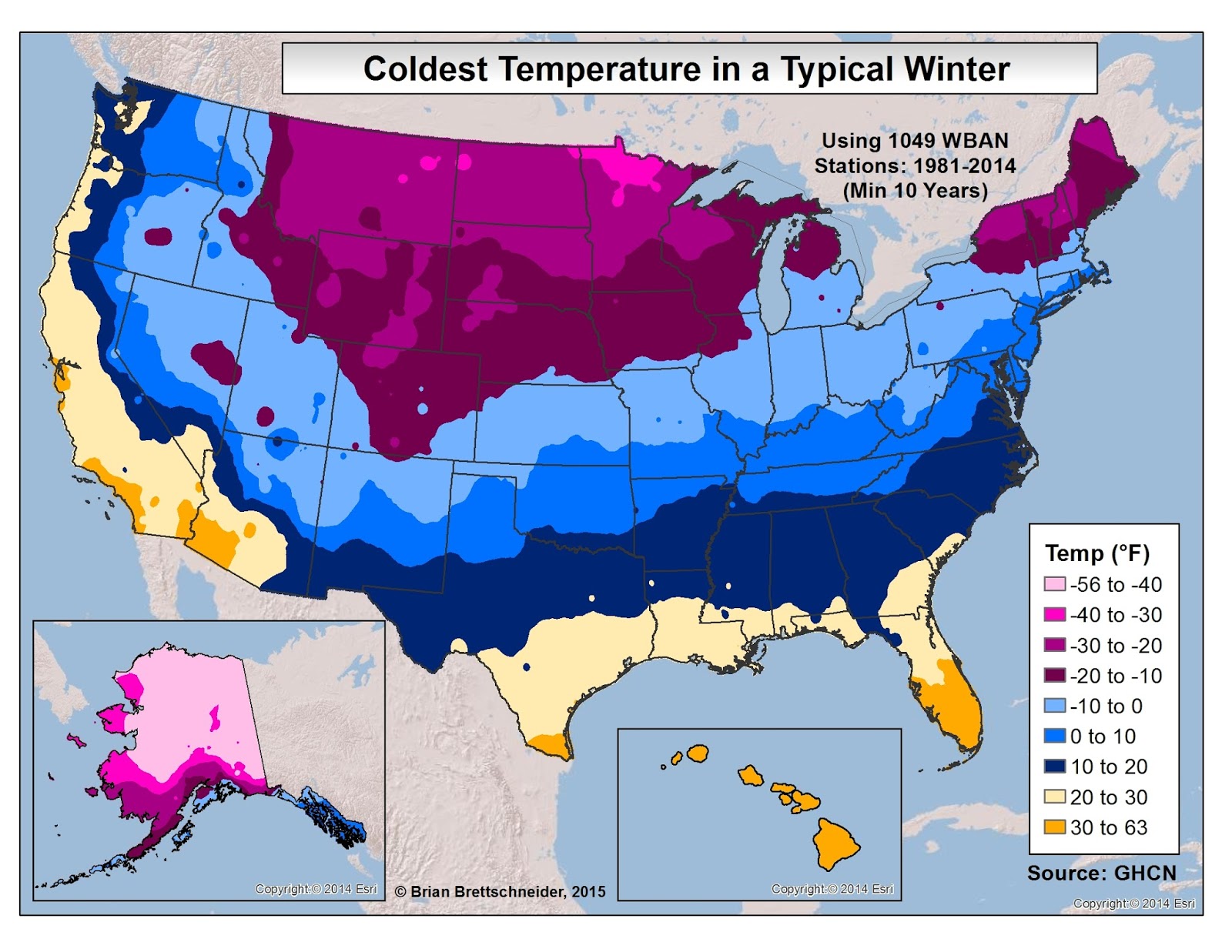
For now - and only in part of the country. Most of the newest models can output 100% of their rating down to something like -5ºF -- they're easy enough to oversize as well, so if your 99% heating load is e.g. 48,000BTU, a 60,000BTU heat pump that's only outputting 80% of rated BTUs due to the extreme cold can still cover the full design load.
Here's the spec sheet for the newer Mitsubishi hyper heat models - 87º output at -4ºF and 76% output at -13ºF -- very few places in the states ever get that cold: https://static.appliancesconnection.com/attachments/D5bf5709...